
Software Engineering, Evolved for What Comes Next
The Millwright-Inspector methodology is a structured approach to modern software development, centered on collaboration between execution and oversight.
CHAPTER 01
The work is split between two roles
Millwright-Inspector is a way of building software that retires the single, overloaded “developer” role and replaces it with two. One role belongs to an AI agent, the artifact generator: it produces everything the work is made of, from specifications and plans to diagrams, code and reviews. The other belongs to a human, responsible for inspecting that output. The human decides what gets built, sets the rules and constraints, and judges every artifact the agent generates, at each stage.
Where the work actually lives
Every step of the work produces durable artifacts: the requirements, the plan, the diagrams, the review notes.
Context Artifacts
The artifacts the project’s real state lives in. Each one does two jobs at once: it is what the human inspects, and it is what the AI agent carries forward into the next step.
Explore the Context Artifact Relay, the mechanism that drives the whole methodology →Traditional Approach
Millwright-Inspector
Context Artifact Relay
CHAPTER 02
The Actors
Manage operations through parallel oversight structures, ensuring strict separation of concerns.
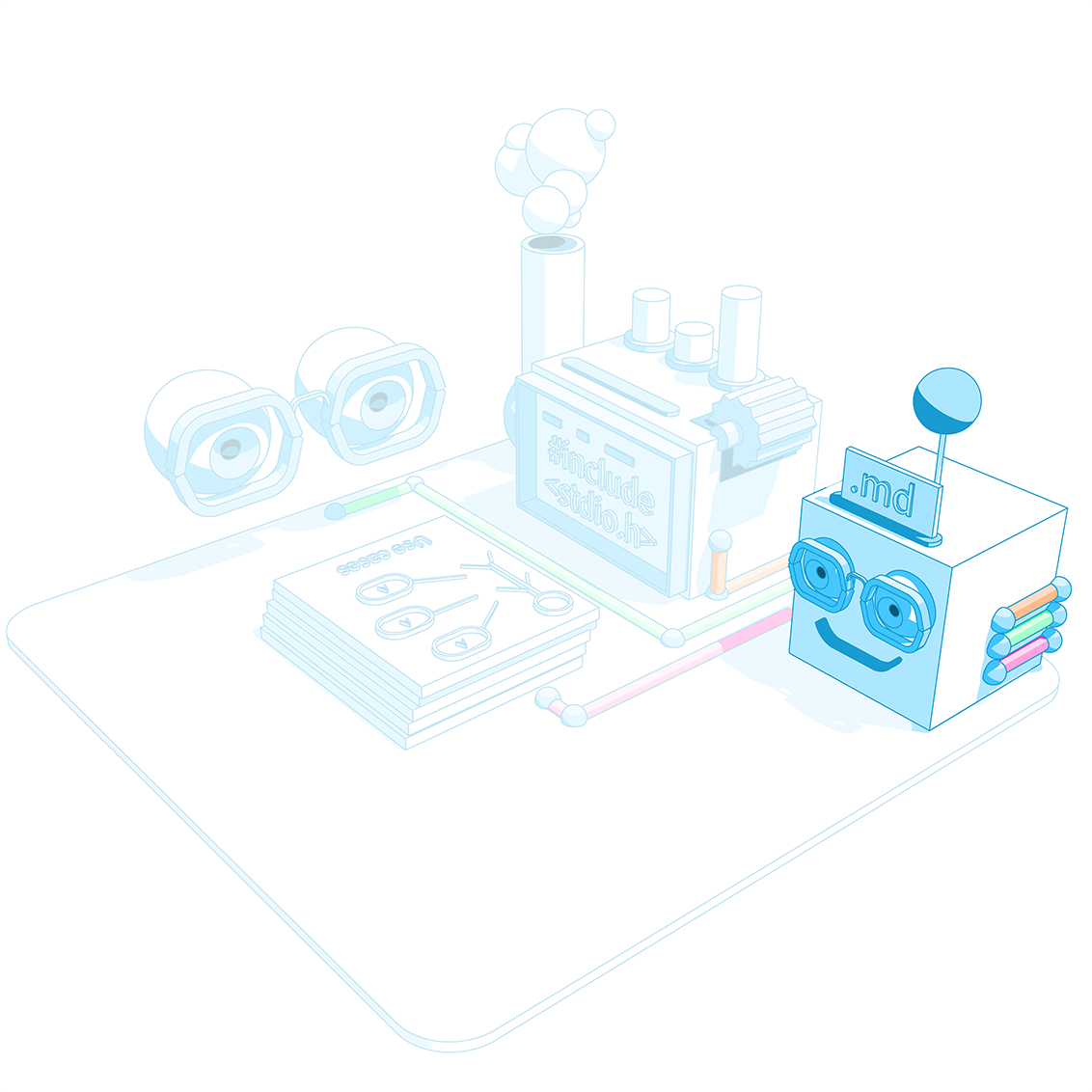
Millwright
- Builds the machines. An AI coding agent that treats the codebase as a factory and each feature as a machine to build, maintain, and repair.
- Works end-to-end. Plans, designs, diagrams, implements, and documents, owning every generated artifact.
- Delegates heavy lifting. Spawns bounded sub-agents for context-heavy work.
- Never self-approves. Fills the payload and waits for the Inspector's go-ahead.
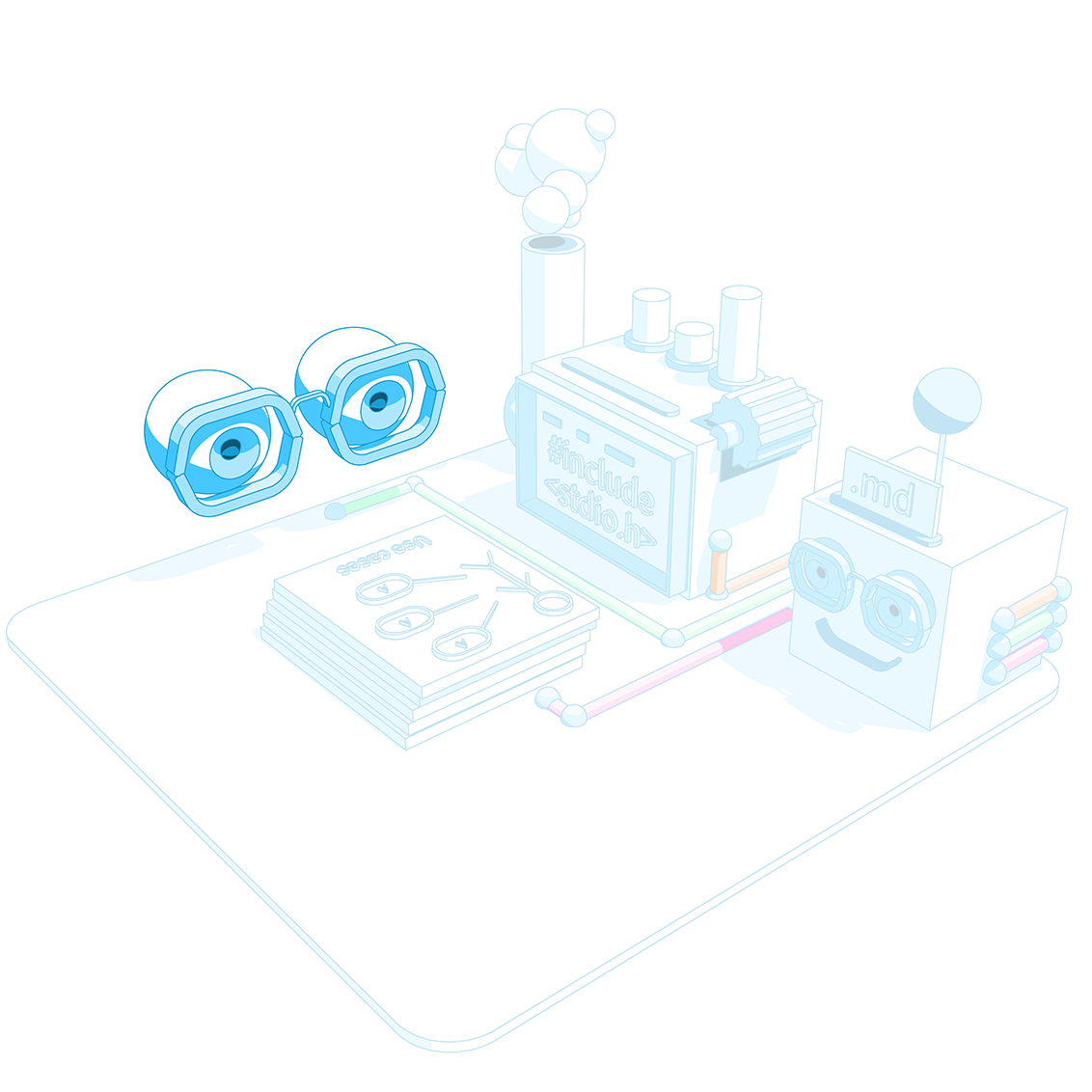
Inspector
- Owns the inputs. Supplies the raw materials — specs, notes, transcripts, design hand-offs — and defines what gets built.
- Reviews everything. Inspects every artifact the Millwright produces at every stage.
- Never writes code. Authority is exercised through documents, prompts, and approvals.
- Holds the switch. The workflow never advances on its own — each stage waits for the Inspector's signal.
BEFORE YOU GO FURTHER
Engine of the Methodology
CHAPTER 03
Every step, reassigned
Every project runs the same five steps, from customer demand to tested software. The conventional pipeline passes that work across four specialised human roles. Millwright-Inspector runs it through one AI agent and one human inspector.
CHAPTER 04
The work stays visible
Millwright-Inspector turns AI-assisted work into artifacts the whole team can see, review, and shape, long before anything ships.
Context artifacts: every plan, task, and test the workflow produces, saved as readable files. Like git history, but for the team's thinking.
Review plans before coding
Every feature starts as a blueprint artifact. Teammates read, question, and refine the approach before a line is implemented.
Track issues your way
Tasks live as todo context artifacts, so any AI agent can build the view you want: status reports, live boards, burndown charts.
See progress live
Each workflow records its own progression as artifacts. Managers, reviewers, even customers see where a task stands. No status meetings.
Review test plans too
Testing plans exist as artifacts before a feature is verified, so anyone can add cases, flag gaps, or discuss coverage.
Never wait on review
Every workflow is fully self-contained. Hand one task off for review and pick up another. No blocking, no idle time.
THE MAIN ADVANTAGE
What Millwright-Inspector brings
- Reliable, secure, well-documented code, without letting an AI run unchecked.
- Inspectors who understand the system, not just the latest diff.
- Delivery that stays fast, because review never blocks — speed is the by-product, not the pitch.
- Easier parallel work — writing code demands sustained focus, but reviewing doesn’t, so an inspector can move between Millwright-Inspector workflows without the usual context-switch cost.
- Shared knowledge across the whole team, and quality you can trust.